Crown thinning in Seven Sisters
If you are looking for crown thinning in Seven Sisters, you are probably trying to solve a very practical problem: a tree that feels too heavy, too shaded, too windy, or simply too dominant for the space it occupies. In a busy part of North London like Seven Sisters, trees often sit close to homes, gardens, shared courtyards, shopfronts, and commercial yards, so the balance between keeping a tree healthy and keeping a property usable matters. Crown thinning is one of the most useful tree care services for that balance because it reduces density without changing the natural outline of the tree too dramatically.
For local customers, the goal is usually not to “take the tree down” or make it look stripped back. It is to let more light through, reduce wind resistance, improve airflow, and make the tree more manageable while protecting its structure. Whether you own a terraced house near the station, manage a block of flats, or look after a commercial site where overgrown trees are affecting visibility and access, a carefully planned thinning service can make a noticeable difference.
Working with a local team matters because Seven Sisters properties often come with access constraints, narrow frontages, limited parking, rear garden access through the house, shared boundaries, and trees that need careful handling around fencing, paving, overhead lines, and neighbouring plots. That is why it helps to use a service that understands the area, the common property layouts, and the kind of practical issues residents and businesses face every day.
What crown thinning means and why it is used
Crown thinning is the selective removal of smaller branches throughout the outer crown and interior of the canopy. The aim is to reduce the density of the tree while keeping its overall shape and size largely intact. It is different from crown reduction, which reduces height or spread, and different again from crown lifting, which removes lower branches to raise clearance underneath.
In simple terms, thinning opens the tree up. Done well, it can improve daylight into a garden or building, reduce the “sail effect” in windy conditions, and help branches move more freely rather than rubbing or crowding each other. It is often suitable where a tree is healthy but just too thick for the space around it.
Many Seven Sisters customers request tree crown thinning when a mature tree is making a garden feel dark, when a neighbour is concerned about overhanging branches, or when a tree is creating too much shade over patios, lawns, parking spaces, or working areas. In residential streets with closely packed homes, even a moderate reduction in density can improve day-to-day comfort without over-pruning the tree.
Why local Seven Sisters properties often need crown thinning
Seven Sisters has a mix of housing and commercial premises, and that variety creates different tree care needs. You may find mature trees in front gardens, rear gardens, shared access alleys, school grounds, residential estates, business yards, and boundary lines between neighbouring properties. Trees in these settings are not just part of the landscape; they affect privacy, daylight, safety, and access.
In tightly built areas, a dense crown can quickly become a nuisance. It may block natural light from reaching downstairs rooms, reduce the amount of sun in a small garden, or make a path feel enclosed. In commercial settings, branches may interfere with CCTV sightlines, signage visibility, vehicle movement, or the general presentation of a site. Crown thinning in Seven Sisters is often chosen because it gives a more comfortable result than heavy cutting while still addressing the underlying issue.
Local conditions also matter. Streets around Seven Sisters can be busy, with limited kerbside parking and frequent pedestrian traffic, so a tree team needs to plan work carefully. The right approach will consider where equipment can be safely positioned, how to protect passing pedestrians and nearby property, and how to complete the work efficiently without unnecessary disruption.
Benefits of crown thinning for homes and businesses
There are several reasons customers choose this service. One of the biggest is light. A denser canopy can make a room or garden feel gloomy, especially if the tree is already mature and the surrounding buildings are close together. Thinning allows more daylight to pass through the crown, which can improve comfort indoors and make outdoor spaces more usable.
Another major benefit is wind management. A dense canopy catches more wind, which can increase stress on branches and the trunk during storms or strong gusts. By carefully removing selected branches, a tree can become less resistant to wind while still keeping its character. This is particularly useful where trees are exposed on corners, wider roads, or open plots.
Additional benefits include improved airflow, reduced branch crowding, and less rubbing between limbs. This can help lower the chance of minor damage to branches over time. It may also support better visibility for driveways, entrances, and commercial frontage. For properties where presentation matters, a well-thinned crown can look tidier and more balanced without appearing harsh.
Common reasons customers ask for crown thinning
- Too much shade in a garden or on a patio
- Low light affecting windows, conservatories, or workspaces
- Branches feeling too heavy in windy weather
- Crowding around neighbouring boundaries
- Improving visibility for access points, paths, or parking areas
- Reducing minor rubbing or congestion within the canopy
- Keeping a mature tree manageable without a drastic cut
How crown thinning is carried out
A proper thinning job begins with a careful look at the tree itself. Different species respond differently, and the amount of thinning needed will depend on the tree’s condition, age, shape, and placement. A good tree team will assess the crown from several angles and decide which branches are best removed to preserve health and balance.
The work usually involves selecting smaller branches throughout the canopy rather than taking large sections from one side. The intention is to keep the tree’s silhouette natural. In many cases, pruning cuts are made back to a suitable branch junction or growth point so that the tree can recover well. Selective pruning is important here; the work should never look random or create obvious gaps.
For local customers, careful planning is just as important as the pruning itself. If the tree stands near a pavement, road, shared entrance, or rear access route, the team may need to stage the work in sections. That helps maintain safety and reduces disruption for neighbours, tenants, customers, or passers-by. In commercial settings, a tidy work area and efficient scheduling can make a big difference to business continuity.
What a professional service usually includes
- Initial inspection of the tree and surroundings
- Discussion of the desired result, such as more light or reduced density
- Selective removal of small branches throughout the canopy
- Attention to shape, balance, and long-term tree health
- Clearing and disposal of cut branches and debris
- Advice on whether the tree may need future maintenance
Why choose a local company for crown thinning in Seven Sisters
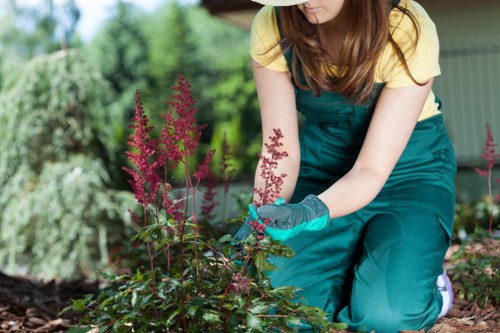
Choosing a local arboricultural team is especially useful in Seven Sisters because many jobs involve practical site knowledge. Trees close to terraced houses, side returns, shared gardens, or rear access points can be awkward to reach. A local crew is more likely to understand how to work around those challenges without causing unnecessary disturbance.
Local experience also helps when there are mixed property types on one street. A tree overhanging a family garden may need a different approach from one beside a retail unit, a nursery, an office courtyard, or a communal estate lawn. The best service will take into account how the space is used day to day, who needs access, and what needs to be protected during the work.
Another reason to stay local is responsiveness. If you need an inspection after stormy weather, are dealing with overhanging growth affecting a boundary, or want a quotation for a managed tree on a property you own or let, a nearby team can often assess the site more quickly and provide practical advice based on local conditions. That is reassuring for homeowners, landlords, and business managers alike.
What local customers often appreciate most
- Understanding of narrow roads and limited parking
- Familiarity with residential and commercial site layouts
- Practical advice based on the tree and the space around it
- Less disruption when the job needs careful access planning
- Convenient scheduling for busy households and businesses
Tree species and site types often seen around Seven Sisters
Different trees respond differently to thinning, so local knowledge matters. In Seven Sisters and the surrounding parts of North London, trees in gardens and commercial spaces may include mature ornamentals, boundary trees, and mixed species planted for privacy or shade. Some have developed over many years and now provide valuable green cover, while others were planted a little too close to fences, outbuildings, or paths.
Species with broad, dense crowns are often the ones customers ask to have thinned. These trees can cast a lot of shade and may become visually heavy if left untouched for too long. That said, not every tree is a suitable candidate for the same level of thinning. Some species respond best to light, careful work, while others need a more cautious approach to avoid stressing the tree.
Properties in the area may also present a range of access situations, such as rear gardens reached only through the house, side alleys shared with neighbours, commercial loading areas, and small front plots close to the pavement. A local service should factor all of that in before starting, because the way the tree is accessed can affect the method, time, and overall smoothness of the job.
Site situations where thinning is commonly requested
- Terraced homes with shaded rear gardens
- Flats with communal planting or boundary trees
- Shopfronts and business premises with overhanging branches
- Schools, nurseries, and care settings needing light and safety
- Gardens where neighbouring trees create a dense canopy line
What to expect from a well-managed visit
When you arrange crown thinning, the visit should feel organised from start to finish. A good team will arrive ready to assess the work area, confirm the scope of the job, and proceed in a way that respects the property and surrounding people. For local residents, that often means careful attention to garden surfaces, planting beds, fences, sheds, and any delicate features near the tree.
At the cutting stage, the aim is to make thoughtful pruning decisions rather than simply removing a fixed amount of foliage. The right balance depends on the species, the tree’s structure, and your end goal. If your priority is light, for example, the pruning pattern may focus on opening selected parts of the crown rather than making the whole tree uniformly smaller.
After the work is complete, the site should be left tidy. This is particularly important for homes with limited outdoor storage, shared spaces, or customers who need the area usable straight away. Businesses in Seven Sisters often value quick clearance because they may need their entrance, yard, or parking area back to normal as soon as possible.
Useful preparation checklist for customers
- Move cars if they could block access or be affected by falling debris
- Keep children and pets away from the work zone
- Unlock side gates or access points if needed
- Tell the team about any fragile structures, cables, or hidden obstacles
- Let neighbours know if branches overhang shared boundaries
- Make sure the area under the tree is reasonably clear
Pricing factors: what affects the cost of crown thinning?
Customers often want to know what influences the price of a tree job. While exact figures depend on the site and the tree, several practical factors usually shape the quotation. The size of the tree is one of the main considerations, along with how dense the crown is and how much selective work is needed.
Access can also make a difference. If the tree is easy to reach from a driveway or open lawn, the job may be more straightforward than one reached only through a narrow passage or a home interior route to the rear garden. In Seven Sisters, where many properties have compact plots and limited parking, access planning can be a significant part of the overall work.
Other factors include the amount of waste produced, the complexity of the tree’s structure, whether any surrounding obstacles need extra care, and whether the work needs to be carried out in stages. A reputable local company will explain the main cost drivers clearly so you understand what you are paying for before going ahead.
Typical quotation factors
- Tree height, spread, and overall density
- Condition and species of the tree
- Ease of access for tools and waste removal
- Presence of nearby buildings, fences, or utilities
- Whether the work is for one tree or multiple trees
- How much crown thinning is appropriate for the tree
Why a careful approach matters for tree health
It can be tempting to think that removing more branches will always solve the problem faster, but that is not how good tree care works. A tree that is over-thinned can become stressed, lose its natural appearance, and respond unpredictably. The goal is selective, balanced pruning that improves the tree’s performance without weakening it.
Healthy trees need enough foliage to support growth and energy production. That is why skilled arboricultural work uses judgement rather than shortcuts. By removing the right branches in the right places, a tree can retain strength while becoming lighter, cleaner, and more manageable. This is especially important for mature trees that are already part of the character of a property or street.
If you have concerns about whether a tree is suitable for thinning, a local inspection is the best place to start. Sometimes a crown lift, light reduction, or a combination of pruning methods may be more suitable. A professional assessment helps avoid unnecessary damage and ensures the work matches the tree’s condition and your practical needs.
Signs your tree may benefit from thinning
- Very dense growth with little light passing through
- Heavy shade over the house or garden
- Branches moving excessively in wind
- Frequent rubbing or crowded growth inside the crown
- Reduced visibility or awkward overhang near entrances
Areas covered around Seven Sisters
Customers looking for crown thinning in Seven Sisters often also need work in nearby streets and surrounding parts of North London. A local team is usually well placed to assist across the immediate area and neighbouring residential and commercial zones, including locations where access is tight and tree growth has become a long-term issue.
Areas commonly covered may include nearby neighbourhoods, adjoining streets, and mixed-use parts of the district where gardens, communal grounds, and commercial frontage all require different handling. If your tree sits on a boundary line, in a shared courtyard, or in a property with unusual access, it is worth asking for a site visit or quote so the practical details can be assessed properly.
Because properties in and around Seven Sisters vary so much, the most useful service is one that adapts to the site rather than forcing a standard approach. That flexibility is particularly valuable where parking, neighbour access, and safe work positioning all need to be considered at once.
Examples of customer types we regularly help
- Homeowners with shaded rear gardens
- Landlords and managing agents
- Local shops and hospitality premises
- Offices and commercial yards
- Shared housing and estate settings
- Schools, community buildings, and private grounds
Frequently asked questions about crown thinning
Is crown thinning the same as cutting a tree down in size?
No. Thinning reduces density by removing selected branches across the crown. It usually keeps the tree’s height and outline broadly the same, which is why it is often preferred when the aim is more light and a lighter canopy rather than a smaller tree.
Will thinning make my tree look bare?
It should not if it is done properly. Good crown thinning is subtle. The tree should still look full and natural, just less congested. Over-thinning is something to avoid, which is why the skill of the team matters.
Can crown thinning help with wind?
Yes, it can reduce wind resistance by allowing air to pass through the canopy more easily. That said, the amount of thinning has to be appropriate for the tree species and condition.
Do I need permission before the work starts?
Sometimes tree work is subject to local restrictions, especially if a tree is protected or in a conservation area. A local team can usually advise on the right checks before work begins.
How often should a tree be thinned?
That depends on the species, growth rate, and site conditions. Some trees only need occasional attention, while others in fast-growing or exposed locations may need more regular maintenance.
Can you help with one tree or multiple trees?
Yes. Many customers ask for one problem tree to be thinned, while others want several trees assessed at the same time, especially where a group of trees is creating shade or crowding.
Book crown thinning with a local Seven Sisters team
If a tree is starting to dominate your garden, block out daylight, or create practical problems around your property, crown thinning may be the right solution. It is a sensible choice for customers who want a healthier-looking, more manageable tree without making it look drastically altered.
Whether you are a homeowner, landlord, property manager, or business owner, a local service gives you the benefit of practical site knowledge and a better understanding of the kinds of access and space issues common in Seven Sisters. From narrow residential plots to commercial entrances and shared boundaries, the service can be planned around your real needs.
Contact us today to discuss your tree, request a free quote, or arrange a visit. If you are ready to improve light, reduce canopy density, and make your outdoor space more usable, book your service now and speak to a local team that understands Seven Sisters properties.